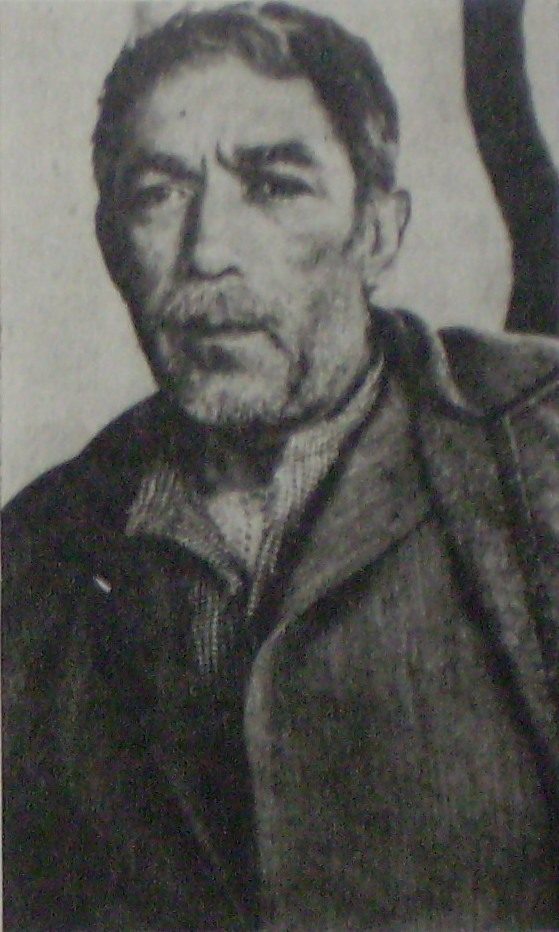
More than half a century after its release, the name Zorba de Griek (Zorba the Greek) continues to evoke vivid images of the sun-drenched island of Crete, the profound wisdom of a free-spirited man, and the electrifying tempo of an iconic dance. This British-Greek cinematic masterpiece from 1964, starring the legendary Anthony Quinn, is not just a film; it's a cultural phenomenon that has left an indelible mark on cinema, music, and the global perception of Greece itself.
Based on the seminal 1952 novel "Alexis Zorbas" by the esteemed Greek writer Nikos Kazantzakis, the movie transcends its simple narrative to explore universal themes of freedom, passion, spirituality, and the essence of living fully. Its legacy extends far beyond the silver screen, influencing everything from global perceptions of Greek hospitality to inspiring the naming of restaurants and even modern digital applications. Join us as we delve into the heart of this enduring classic, its unforgettable star, and the dance that became a symbol of unbridled joy.
Zorba de Griek: A Cinematic Masterpiece Forged on Crete
Directed with masterful sensitivity by Michael Cacoyannis, Zorba de Griek transports viewers to the rugged, enchanting landscape of Crete. This ancient Greek island, with its stark beauty and rich history, serves as more than just a backdrop; it is a character in itself, shaping the lives and philosophies of those who inhabit it.
The story unfolds through the eyes of Basil (portrayed by the nuanced Alan Bates), a reserved, half-British, half-Greek writer. Plagued by writer's block and a quest for deeper meaning, Basil travels to a remote Cretan village with the intention of reopening a lignite mine inherited from his father. His journey takes an unexpected turn when he encounters Alexis Zorbas (Anthony Quinn) in a Greek port. Zorbas, a charismatic, earthy, and much older man, claims extensive experience in mining and, more importantly, in life itself. He convinces Basil to take him on as a foreman, thus beginning a transformative relationship between two vastly different men.
Their arrival in the impoverished but vibrant village is met with a mix of curiosity and enthusiasm from the local populace. Basil, intellectual and introspective, grapples with the practicalities of the mine and the complexities of human relationships, particularly with the community's characters, including a melancholic French Madame Hortense (Lila Kedrova) and a dignified young widow (Irene Papas). Zorbas, on the other hand, embodies a visceral, passionate approach to existence, challenging Basil's inhibitions and pushing him to embrace the chaos and beauty of life with open arms. The film brilliantly explores the clash between intellect and instinct, tradition and modernity, and the profound lessons that can be learned from unexpected mentors.
Anthony Quinn's Unforgettable Portrayal of Alexis Zorbas
It is impossible to discuss Zorba de Griek without spotlighting the monumental performance of Anthony Quinn. Many critics and audiences alike consider his portrayal of Alexis Zorbas to be his most memorable and iconic role, a career-defining turn that cemented his status as a legendary actor. Quinn didn't just play Zorbas; he became Zorbas, inhabiting the character with a raw, almost elemental force.
Alexis Zorbas is a character of immense depth and contradiction: a philosopher who eschews books, a laborer with the soul of an artist, a man who lives entirely in the present yet carries the weight of a lifetime of experiences. Quinn brought these facets to life with incredible authenticity:
- Magnetic Charisma: Quinn's Zorbas radiates an irresistible charm, drawing in both Basil and the audience with his booming laugh, infectious energy, and profound observations on life.
- Physicality and Presence: His robust physique and expressive movements conveyed Zorbas's vitality and direct engagement with the physical world, whether he was working, eating, or dancing.
- Emotional Range: From moments of unbridled joy and passionate declarations to quiet reflection and deep sorrow, Quinn navigated Zorbas's emotional landscape with a master's touch, making him relatable and deeply human.
- Wisdom and Humor: Zorbas's wisdom, often delivered through parables and folksy anecdotes, felt entirely genuine coming from Quinn, always tempered with a mischievous glint in his eye.
Quinn’s performance elevates Zorbas from a fictional character to an archetype—a symbol of the untamed human spirit that refuses to be constrained by societal norms or intellectual anxieties. His chemistry with Alan Bates as Basil is central to the film's success, illustrating the profound impact one person can have on another's journey of self-discovery.
The Sirtaki: Zorba's Dance and Its Global Impact
No discussion of Zorba de Griek would be complete without celebrating its pulsating soundtrack, particularly the world-renowned "Dance of Zorba," often referred to as the Sirtaki. Composed by the brilliant Mikis Theodorakis, this piece of music is synonymous with Greek culture and is one of the most recognizable film scores of all time.
What many might not realize is that the Sirtaki itself was not an ancient Greek folk dance rediscovered for the film. Instead, it was specifically choreographed for Anthony Quinn by Giorgos Provias, drawing inspiration from traditional Greek dances like the *Hasapiko*. The genius of the Sirtaki lies in its deliberate progression: it starts with slow, deliberate steps, gradually building in tempo and intensity, culminating in a frenetic, celebratory whirl. This progression perfectly mirrors Zorba's philosophy—a slow, thoughtful approach to life's challenges, followed by an explosive embrace of joy and acceptance, even in the face of despair.
The scene where Zorbas teaches Basil to dance the Sirtaki on the beach, after all their endeavors have seemingly failed, is one of the most poignant and powerful moments in cinematic history. It's not just a dance; it's an act of defiance, a spiritual release, a profound statement that life, even in its bitterest moments, must be met with passion and a willingness to simply dance. The music, famously performed by Trio Helinik, became an instant global hit, symbolizing:
- The Greek Spirit: Resilience, passion, and an indomitable joy for life.
- Communal Celebration: The dance, performed with hands on shoulders, signifies unity and shared experience.
- Embracing Life: It represents the courage to express oneself fully and to find beauty and release amidst hardship.
The Sirtaki has transcended the film, becoming a staple at Greek festivals, weddings, and restaurants worldwide, a universal invitation to let go and celebrate.
Beyond the Big Screen: The Enduring Legacy of Zorba de Griek
The impact of Zorba de Griek extends far beyond its initial cinematic success. It has become a touchstone of Greek identity and culture, resonating in various facets of popular culture:
Zorba de Griek in Hospitality: A Taste of Greece
The name "Zorba de Griek" is often adopted by Greek restaurants around the world, a testament to the film's powerful association with authentic Greek cuisine, hospitality, and a lively atmosphere. Establishments like Zorba de Griek Restaurant: Why Spijkenisse Loves Its Greek Cuisine capitalize on this recognition, promising diners an experience infused with the same warmth and zest for life epitomized by Zorbas himself. Reviews frequently praise the appealing staff and enjoyable service, suggesting that these restaurants successfully capture the spirit of generosity and camaraderie portrayed in the film.
Digital Echoes: The "Zorba de Griek" App
Even in the digital age, the iconic name finds new life. While not an official app related directly to the film, the existence of a "Zorba de Griek" lifestyle app, as mentioned in various download guides for PC, highlights the enduring brand power of the title. These apps often aim to encapsulate a cultural experience or a way of life, much like the film itself introduced a profound philosophy to a global audience. For those interested in exploring digital extensions, detailed instructions like those found in Download Zorba de Griek App on PC: Windows & Mac Installation Guide demonstrate how emulators like Bluestacks allow users to access mobile-centric applications on their desktop devices.
A Philosophy for Life
Perhaps the most significant legacy of Zorba de Griek is the philosophical message it conveys. Zorbas teaches Basil, and by extension, the audience, to embrace the full spectrum of human experience—joy and sorrow, success and failure, love and loss—with equal passion and without regret. His wisdom encourages spontaneity, living in the moment, finding beauty in simplicity, and facing adversity not with despair, but with a dance. This timeless message continues to inspire individuals to break free from self-imposed limitations and truly savor the richness of life.
In conclusion, Zorba de Griek is far more than just a classic film. It is a profound exploration of the human spirit, a testament to Anthony Quinn's acting prowess, and the origin of a dance that has become a global symbol of joy and resilience. From its roots in Nikos Kazantzakis' novel and Michael Cacoyannis' direction to Mikis Theodorakis' unforgettable score, the film remains a vibrant beacon of Greek culture and a timeless reminder that, no matter what life throws our way, there's always room for a dance.